A fasting glucose or A1C gives important information, but neither shows what happens after your usual breakfast or following a bad night’s sleep.
A monitor can make cause and effect visible, which many people find motivating. It’s also easy to overreact to normal rises in blood sugar, so the data is most useful with someone to help you interpret it.
What people often discover
Which everyday meals hit hardest
What a walk after dinner can do
How a short night affects the next day
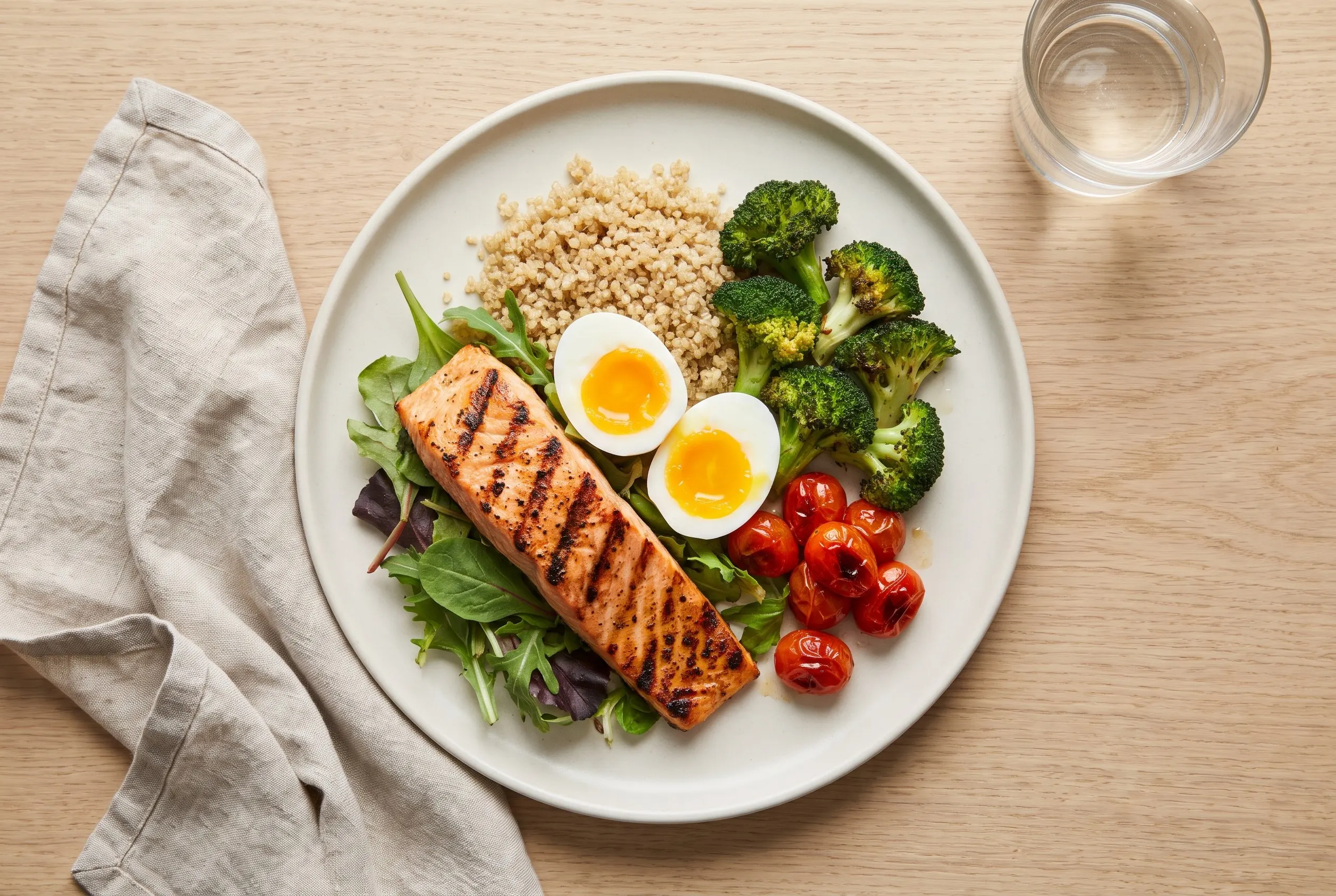
How protein and fiber change a meal’s effect
How it works
Wear it, then discuss it.
1
See if it’s appropriate
Continuous monitoring isn’t needed by everyone. We’ll advise you at your consultation.
2
Wear the sensor
It sits on the back of your arm, and you go about your normal routine.
3
Look at the patterns
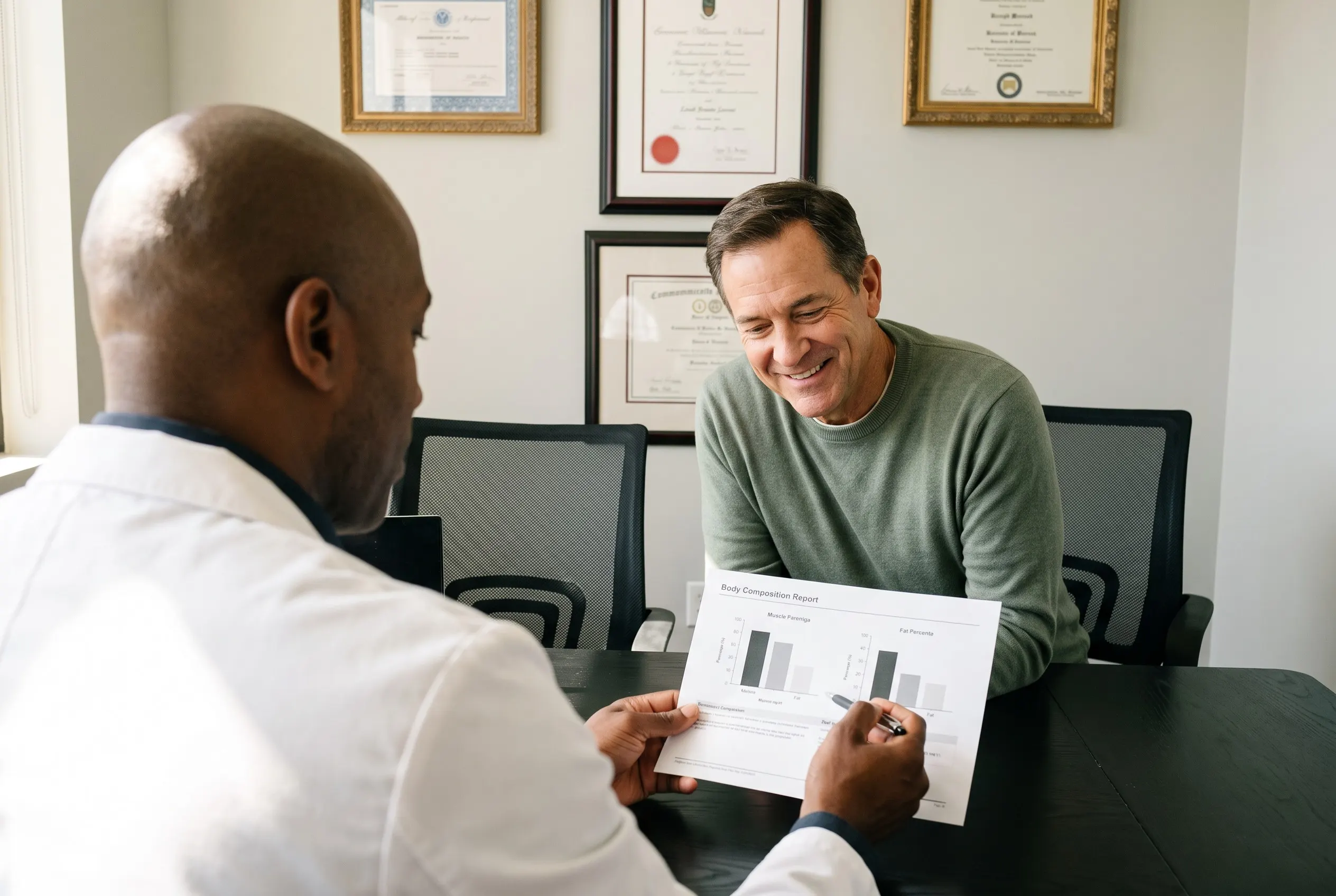
Together, you go through the data and look for patterns rather than single spikes.
4
Make changes
What you learn can shape your nutrition, training and, if needed, your treatment.
Questions
What patients ask Dr. Gurrala.
Do I need diabetes to use a glucose monitor?
No. People without diabetes can use one to learn about their metabolism, although the data takes some interpretation. Delos Longevity in Sterling, Virginia offers monitoring where appropriate.
Does the sensor hurt?
Most people barely notice it. A small filament sits just under the skin, and you can shower and exercise as usual.


 Find your starting point